Introduction
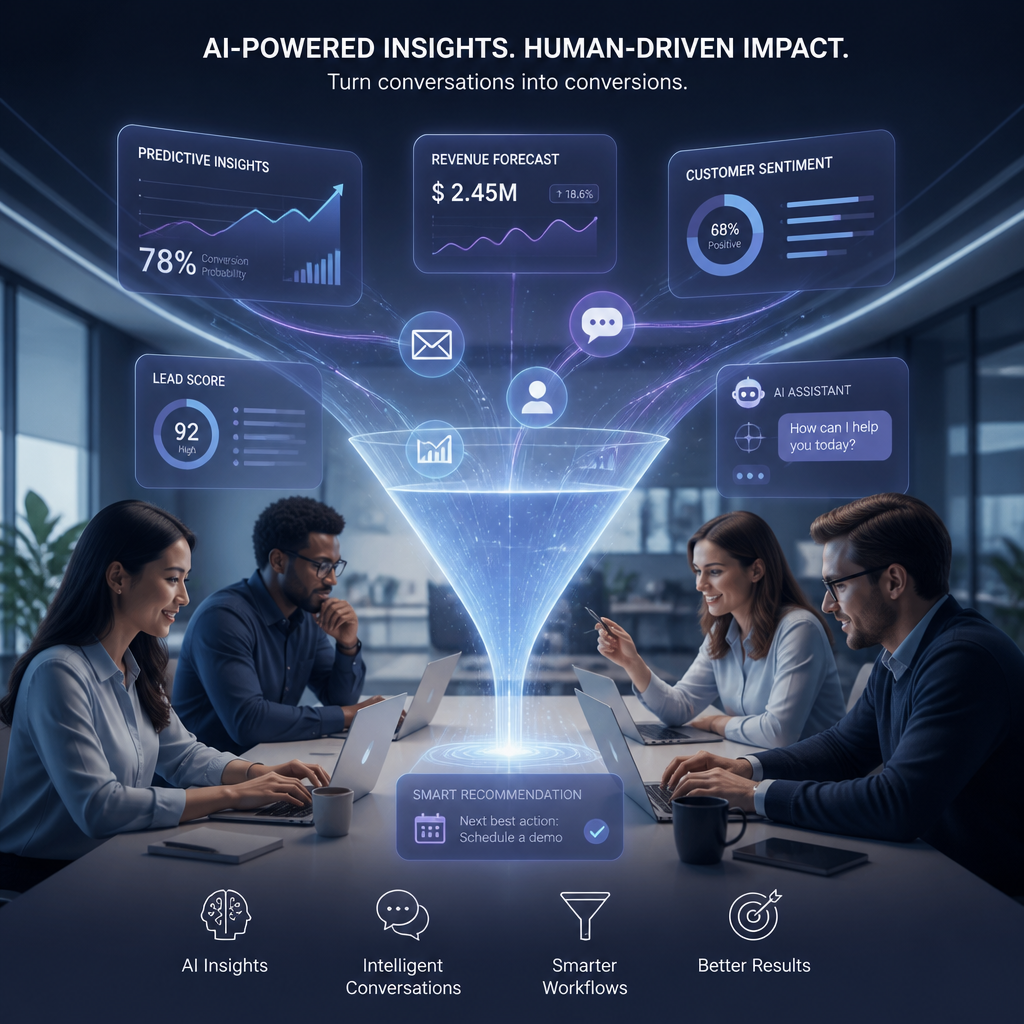
Marketing in 2026 is no longer driven by guesswork alone. Businesses now rely heavily on artificial intelligence to attract customers, personalize experiences, and improve conversions faster than ever before. Traditional marketing funnels are evolving into smarter, data-driven systems that can automatically adapt to customer behavior in real time.
This is where the AI-driven marketing funnel becomes a game changer.
From automated lead generation to predictive customer targeting, AI technologies help businesses streamline every stage of the customer journey. Companies using advanced AI tools from organizations like OpenAI are improving marketing performance while reducing manual effort and operational costs.
If businesses want to remain competitive in the digital era, building an AI-driven marketing funnel is becoming essential rather than optional.
What Is an AI-Driven Marketing Funnel?
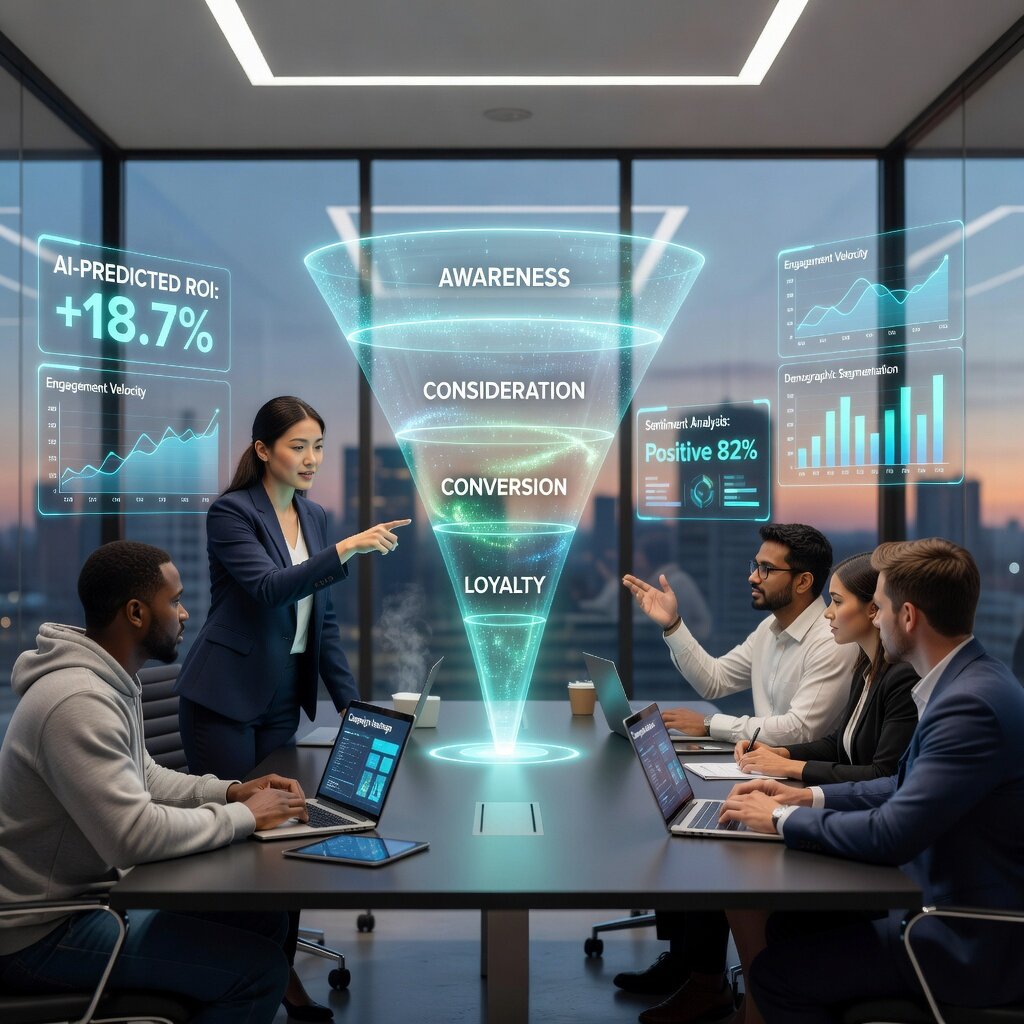
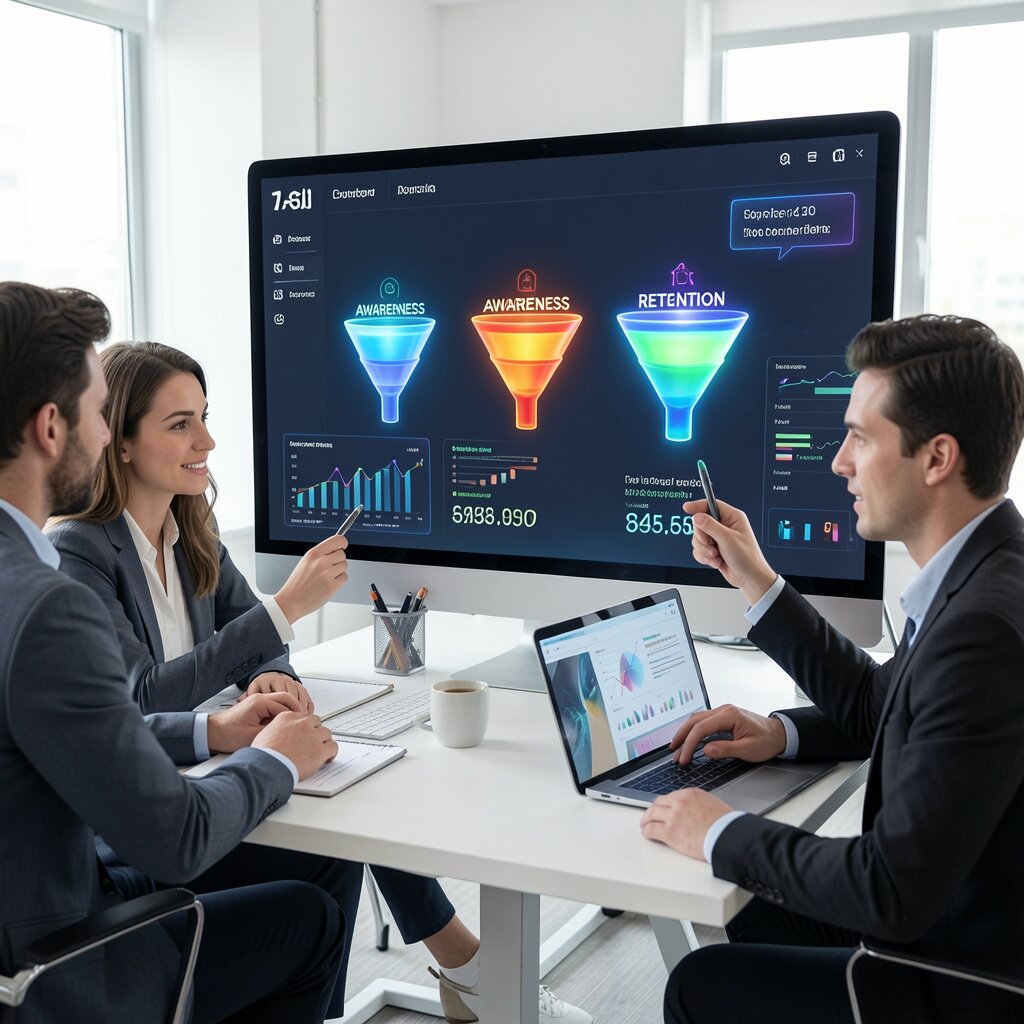
An AI-driven marketing funnel is a modern customer acquisition system that uses artificial intelligence and automation to guide users from awareness to conversion.
Unlike traditional funnels, AI-powered funnels continuously analyze user behavior, optimize marketing campaigns, and personalize customer experiences automatically.
These funnels help businesses:
- Generate qualified leads
- Improve customer targeting
- Personalize communication
- Automate follow-ups
- Increase conversion rates
- Improve customer retention
As a result, businesses can scale marketing efforts more efficiently.
Why AI-Driven Marketing Funnels Matter in 2026
Consumer behavior is changing rapidly. Modern customers expect:
- Instant responses
- Personalized recommendations
- Seamless digital experiences
- Relevant content
AI automation allows companies to meet these expectations while handling massive amounts of customer data efficiently.
Additionally, AI helps marketers make data-driven decisions instead of relying only on assumptions.
Step 1: Define Your Target Audience
Before building an AI-driven marketing funnel, businesses must clearly identify their ideal audience.
This includes understanding:
- Customer demographics
- Interests and preferences
- Online behavior
- Purchasing habits
- Pain points and challenges
AI-powered analytics tools can process large amounts of data to identify patterns and customer segments more accurately than traditional research methods.
The better the audience understanding, the more effective the funnel becomes.
Step 2: Use AI for Lead Generation
Lead generation is the first major stage of the marketing funnel.
AI tools help businesses attract high-quality leads by analyzing customer intent and predicting which users are most likely to engage.
AI-Powered Lead Generation Methods
Predictive Analytics
AI predicts customer behavior based on browsing patterns and engagement history.
Smart Advertising
AI automatically targets the most relevant audiences for paid campaigns.
Automated Chatbots
AI chatbots engage website visitors instantly and collect lead information.
Personalized Landing Pages
AI customizes landing pages based on user interests and behavior.
These strategies improve lead quality while reducing wasted marketing spending.
Step 3: Automate Customer Nurturing
Once leads enter the funnel, businesses must maintain engagement through nurturing campaigns.
AI automation makes this process significantly more effective.
How AI Improves Lead Nurturing
Personalized Email Campaigns
AI tools send customized emails based on user actions and interests.
Behavioral Triggers
Automated workflows respond instantly to customer actions such as downloads or website visits.
Dynamic Content Recommendations
AI suggests relevant products, articles, or services automatically.
AI-Powered Messaging
Businesses can provide 24/7 customer communication using intelligent chat systems.
This level of personalization increases customer trust and engagement.
Step 4: Optimize Funnel Performance with Data Analytics
A successful AI-driven marketing funnel requires continuous optimization.
AI analytics tools monitor:
- Customer engagement
- Conversion rates
- Ad performance
- Bounce rates
- User journey patterns
These insights help businesses identify weaknesses within the funnel and improve performance quickly.
Unlike traditional analytics, AI systems can provide real-time recommendations for optimization.
This allows marketers to make faster and smarter decisions.
Step 5: Improve Conversions with AI Personalization
Personalization is one of the most powerful benefits of AI-driven marketing funnels.
Modern AI systems can tailor experiences for individual users based on:
- Purchase history
- Browsing behavior
- Demographics
- Engagement patterns
Examples of AI Personalization
- Personalized product recommendations
- Dynamic website content
- Customized offers and discounts
- Smart pricing strategies
- Individualized customer journeys
Because customers receive more relevant experiences, conversion rates often improve significantly.
Step 6: Automate Retargeting and Retention
Not every customer converts during their first interaction. This is why retargeting is essential.
AI automation helps businesses reconnect with potential customers using intelligent retargeting campaigns.
AI Retargeting Strategies
Automated Ad Retargeting
AI displays personalized ads to users who previously visited the website.
Smart Push Notifications
AI sends reminders based on customer behavior and timing.
Predictive Retention Campaigns
AI identifies customers at risk of leaving and automatically launches retention strategies.
Customer retention is often more cost-effective than acquiring entirely new customers.
Step 7: Integrate AI Tools Across Marketing Channels
An effective AI-driven marketing funnel works best when integrated across multiple channels.
This includes:
- Social media platforms
- Email marketing systems
- Websites and landing pages
- CRM software
- Mobile applications
- Paid advertising campaigns
Integrated AI systems create a consistent customer experience across all touchpoints.
This improves brand trust and customer satisfaction.
Challenges Businesses Should Consider
Although AI-driven marketing funnels offer many benefits, businesses must address several challenges.
Data Privacy and Security
Companies must protect customer information and comply with data regulations.
AI Bias Risks
Poor-quality data can lead to inaccurate customer targeting.
Over-Automation
Excessive automation may reduce genuine human interaction.
Technology Costs
Advanced AI systems may require significant initial investment.
Therefore, businesses should balance automation with human creativity and ethical practices.
Benefits of AI-Driven Marketing Funnels
Businesses implementing AI-driven marketing funnels can achieve:
- Faster lead generation
- Higher conversion rates
- Better customer experiences
- Improved marketing efficiency
- Lower operational costs
- Scalable business growth
- More accurate customer insights
These advantages make AI-powered funnels increasingly valuable in modern digital marketing.
The Future of AI-Driven Marketing Funnels
As AI technology evolves, marketing funnels will become even smarter and more automated.
Future developments may include:
- Hyper-personalized customer journeys
- Voice-based AI marketing assistants
- Predictive purchasing recommendations
- Real-time emotional analysis
- Fully automated omnichannel campaigns
Businesses that adopt AI-driven marketing strategies early will likely gain a major competitive advantage in the coming years.
Conclusion
AI-driven marketing funnels are transforming how businesses attract, engage, and convert customers in 2026. By combining artificial intelligence, automation, predictive analytics, and personalization, companies can create smarter marketing systems that improve efficiency and customer experiences simultaneously.
From lead generation to customer retention, AI now plays a critical role in every stage of the modern marketing funnel.
As digital competition continues growing, businesses that successfully integrate AI automation into their marketing strategies will be better positioned for long-term growth and success.
https://www.24x7saraltech.com/contact-us/
book free consultation to setup your marketing and ai automations