Introduction
Education is evolving faster than ever before. In 2026, classrooms are no longer limited to traditional lectures, fixed learning methods, or one-size-fits-all teaching approaches. Instead, schools and educational institutions are increasingly adopting AI automation to create more personalized, engaging, and effective learning experiences for students.
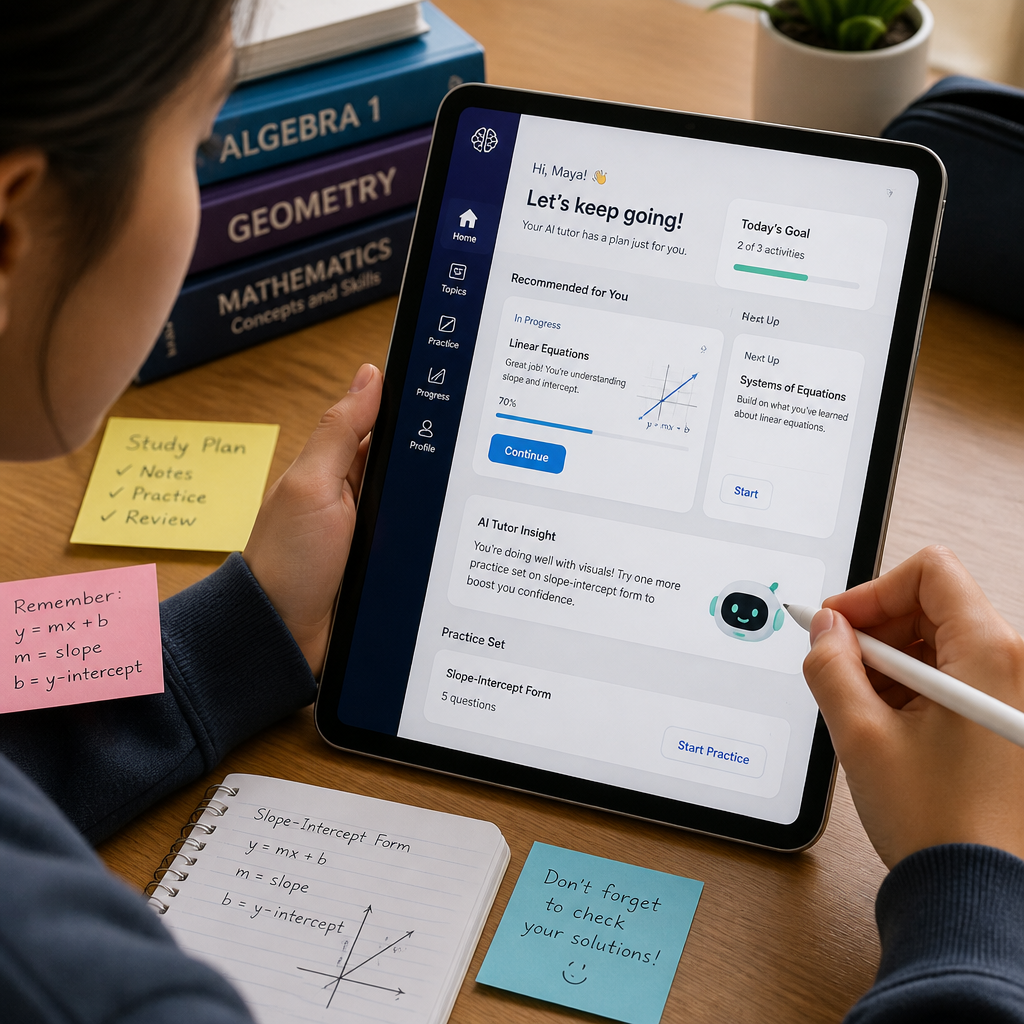
From intelligent tutoring systems to adaptive learning platforms, artificial intelligence is helping educators understand student needs more accurately and improve academic outcomes. Organizations such as Google and leading educational technology providers are investing heavily in AI-powered learning tools that support both teachers and students.
As a result, AI automation is becoming one of the most transformative forces in modern education.
What Is AI Automation in Education?
AI automation in education refers to the use of artificial intelligence technologies to automate educational tasks, personalize learning experiences, and improve student engagement.
These technologies can:
- Analyze student performance
- Recommend personalized study materials
- Automate grading and assessments
- Provide real-time feedback
- Track learning progress
- Support virtual learning environments
Because every student learns differently, AI automation helps create customized educational experiences that match individual learning styles and abilities.
Why Personalized Learning Matters in 2026
Traditional education systems often struggle to address the unique learning needs of every student. Some students learn quickly, while others require additional support and different teaching approaches.
Personalized learning solves this problem by adapting educational content according to each learner’s:
- Skill level
- Learning speed
- Interests
- Academic strengths and weaknesses
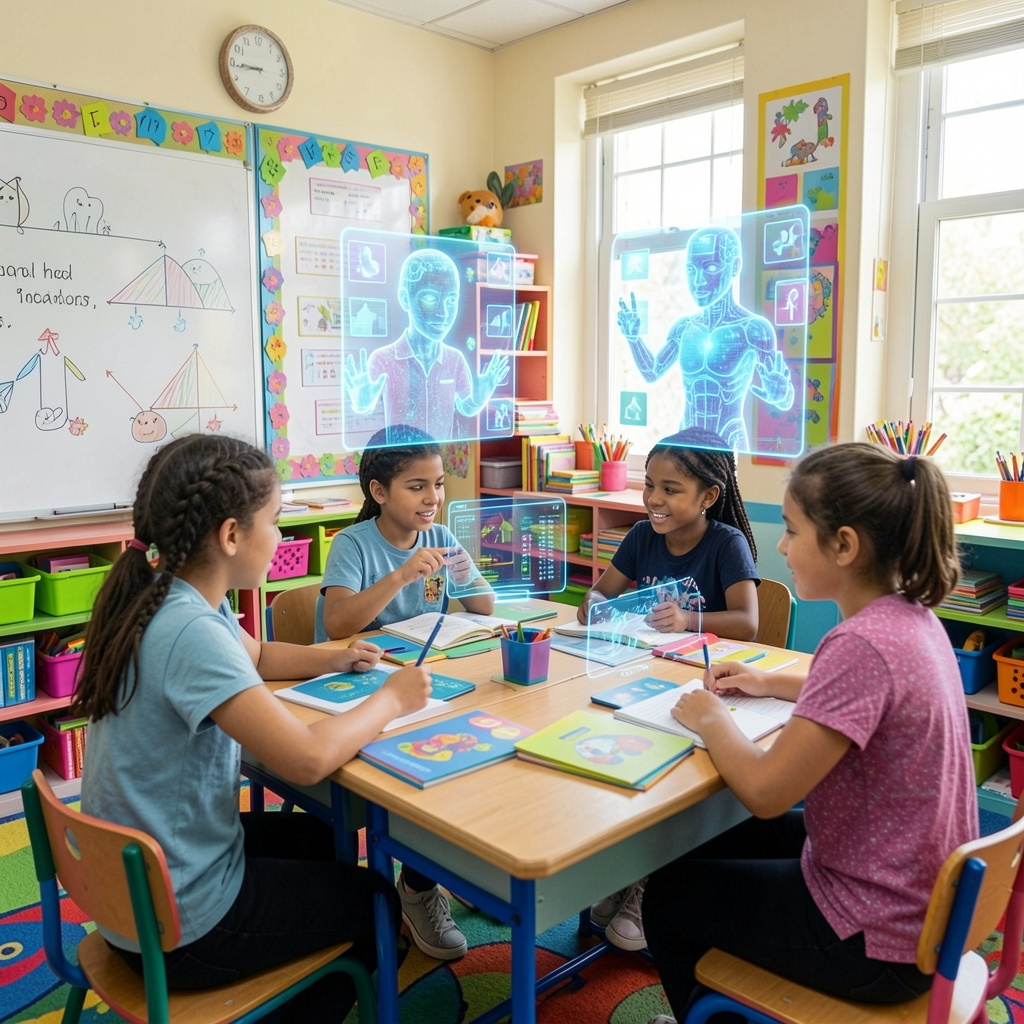
AI automation makes personalized learning possible at scale, allowing educators to support large numbers of students more effectively.
How AI Automation Improves Personalized Learning
1. Adaptive Learning Platforms
AI-powered adaptive learning systems automatically adjust lessons based on student performance.
For example:
- Students who struggle with a topic receive additional practice and support.
- Advanced learners receive more challenging content.
- Lessons adapt in real time based on progress and understanding.
This helps students learn at their own pace rather than following a rigid classroom structure.
2. Intelligent Tutoring Systems
AI tutors provide instant academic assistance whenever students need help.
These systems can:
- Answer questions
- Explain difficult concepts
- Provide practice exercises
- Offer personalized feedback
Unlike traditional tutoring, AI tutors are available 24/7, making learning more accessible and flexible.
3. Personalized Study Recommendations
AI automation analyzes learning behavior and recommends study resources tailored to individual students.
This may include:
- Videos
- Interactive quizzes
- Reading materials
- Practice assignments
- Revision exercises
As a result, students spend more time learning efficiently instead of searching for resources manually.
How AI Automation Boosts Student Engagement
Interactive and Gamified Learning
AI-powered platforms often use gamification techniques to make learning more engaging.
Features such as:
- Badges and rewards
- Progress tracking
- Interactive simulations
- Educational games
help increase student motivation and participation.
Students become more actively involved in the learning process rather than passively consuming information.
Real-Time Feedback and Support
Immediate feedback plays a major role in student engagement.
AI systems can instantly evaluate assignments and provide feedback on:
- Accuracy
- Areas for improvement
- Learning gaps
- Performance trends
This allows students to correct mistakes quickly and remain motivated throughout the learning process.
Improved Communication Between Students and Teachers
AI tools also help improve communication in education.
Automated systems can:
- Track attendance
- Monitor participation
- Identify struggling students
- Notify teachers about performance concerns
This allows educators to provide timely support and create stronger student-teacher relationships.
Benefits of AI Automation in Education
1.Better Learning Outcomes
Personalized education helps students understand concepts more effectively.
2.Increased Student Motivation
Interactive and adaptive learning experiences improve engagement.
3.Reduced Administrative Work
AI automation helps teachers save time on grading and repetitive tasks.
4.Faster Identification of Learning Gaps
AI systems quickly detect areas where students need extra support.
5.Flexible Learning Opportunities
Students can access learning materials anytime and anywhere.
AI Automation Supports Inclusive Education
AI technologies are also making education more inclusive and accessible.
Modern AI tools can support:
- Students with disabilities
- Multilingual learners
- Remote education environments
- Diverse learning needs
For example, AI-powered speech recognition and translation tools help students overcome language and communication barriers.
This creates more equal learning opportunities for students worldwide.
Challenges of AI Automation in Education
Although AI automation offers many advantages, schools must also address certain challenges.
1.Data Privacy Concerns
Educational institutions must protect student information and digital records.
2.Technology Access Gaps
Not all students have equal access to devices and internet connectivity.
3.Overdependence on Technology
Human interaction and emotional support remain essential in education.
4.Teacher Training Requirements
Educators need proper training to use AI tools effectively.
The Role of Teachers in AI-Powered Learning
AI automation is not replacing teachers. Instead, it is helping educators become more effective.
Teachers continue to play critical roles in:
- Mentoring students
- Encouraging creativity
- Building emotional connections
- Supporting critical thinking
- Managing classroom collaboration
AI handles repetitive tasks, allowing teachers to focus more on meaningful student interaction and personalized guidance.
The Future of AI Automation in Education
The future of education will likely become even more AI-driven.
Emerging trends may include:
- Fully personalized digital classrooms
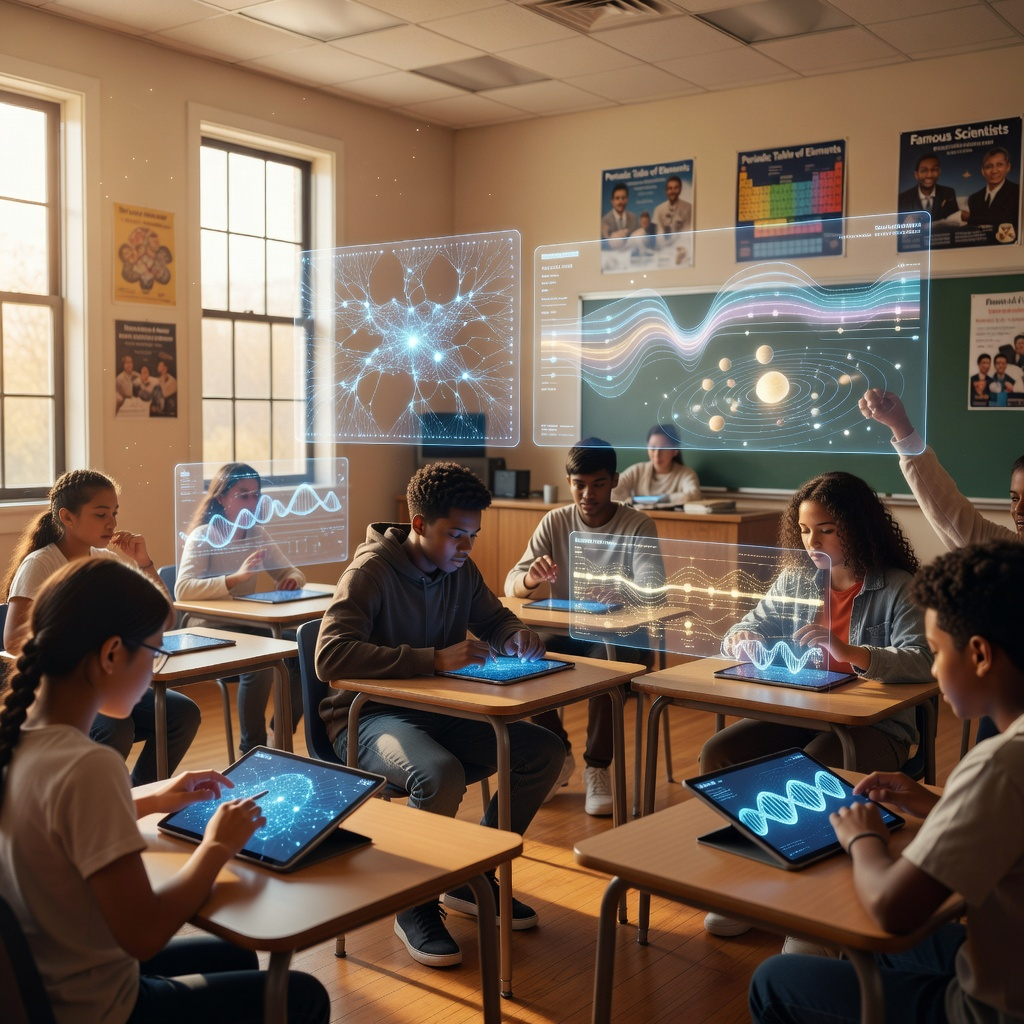
- AI-powered virtual reality learning
- Emotion-aware educational systems
- Predictive academic support
- Smart learning analytics
As AI technologies continue evolving, educational systems will become more adaptive, flexible, and student-centered.
Conclusion
AI automation is transforming personalized learning and student engagement in 2026 by making education more adaptive, interactive, and accessible. From intelligent tutoring systems to personalized study recommendations, AI-powered tools are helping students learn more effectively while supporting teachers in modern classrooms.
More importantly, AI is creating educational experiences that recognize the unique needs of every learner.
As schools continue embracing digital transformation, AI automation will play an increasingly important role in shaping the future of global education and student success.
https://www.24x7saraltech.com/contact-us/
book free consultation to setup your marketing and ai automations